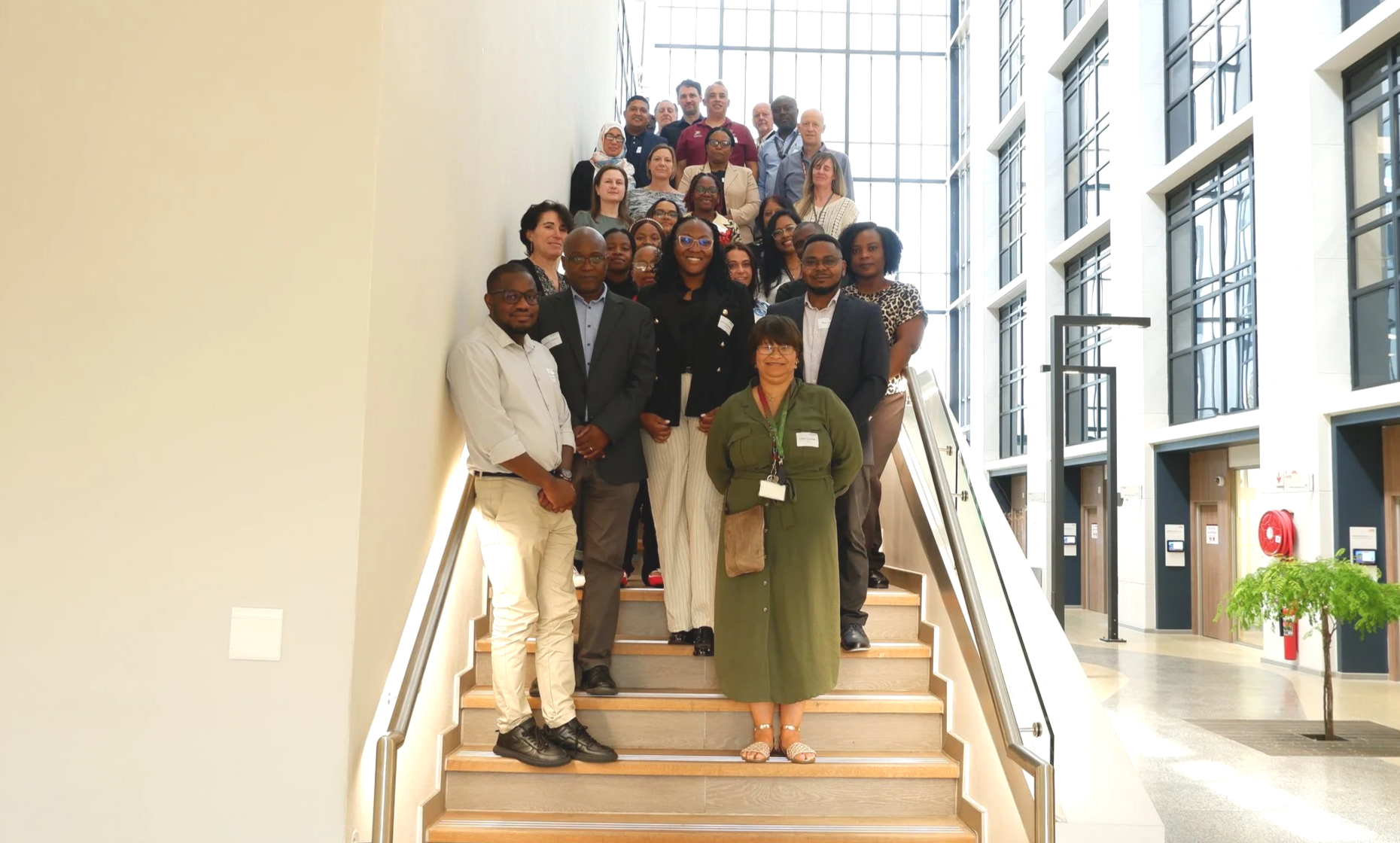
On 11–12 November 2026, PRECISE-TBM partners from South Africa, Zambia, Zimbabwe, France and Germany gathered at Stellenbosch University’s Biomedical Research Institute (BMRI) in Cape Town for their first in-person consortium meeting. After several months of working together across countries, colleagues spent the two days discussing progress towards a shared goal: improving the diagnosis of childhood tuberculous meningitis (TBM) and enabling clinicians to provide earlier treatment for affected children.
Two complementary approaches to diagnosing TB meningitis
After project coordinator Novel Chegou of Stellenbosch University welcomed the partners, his colleague Regan Solomons opened the scientific programme with a look at one of the project’s two main areas of work: producing and evaluating two rapid point-of-care tests that use cerebrospinal fluid (CSF), the fluid surrounding the brain and spinal cord. Solomons outlined how his team in South Africa and clinical partners from the Universities of Zambia and Zimbabwe will assess how reliably the two prototypes can detect TBM in children who may have the disease.
Chegou then introduced the second, complementary approach: His team is investigating which combination of biomarkers in the blood could help identify children with TBM. Their findings will guide the development of a new blood test, which could make rapid diagnosis possible in a wider range of healthcare settings as blood is easier to collect than CSF.
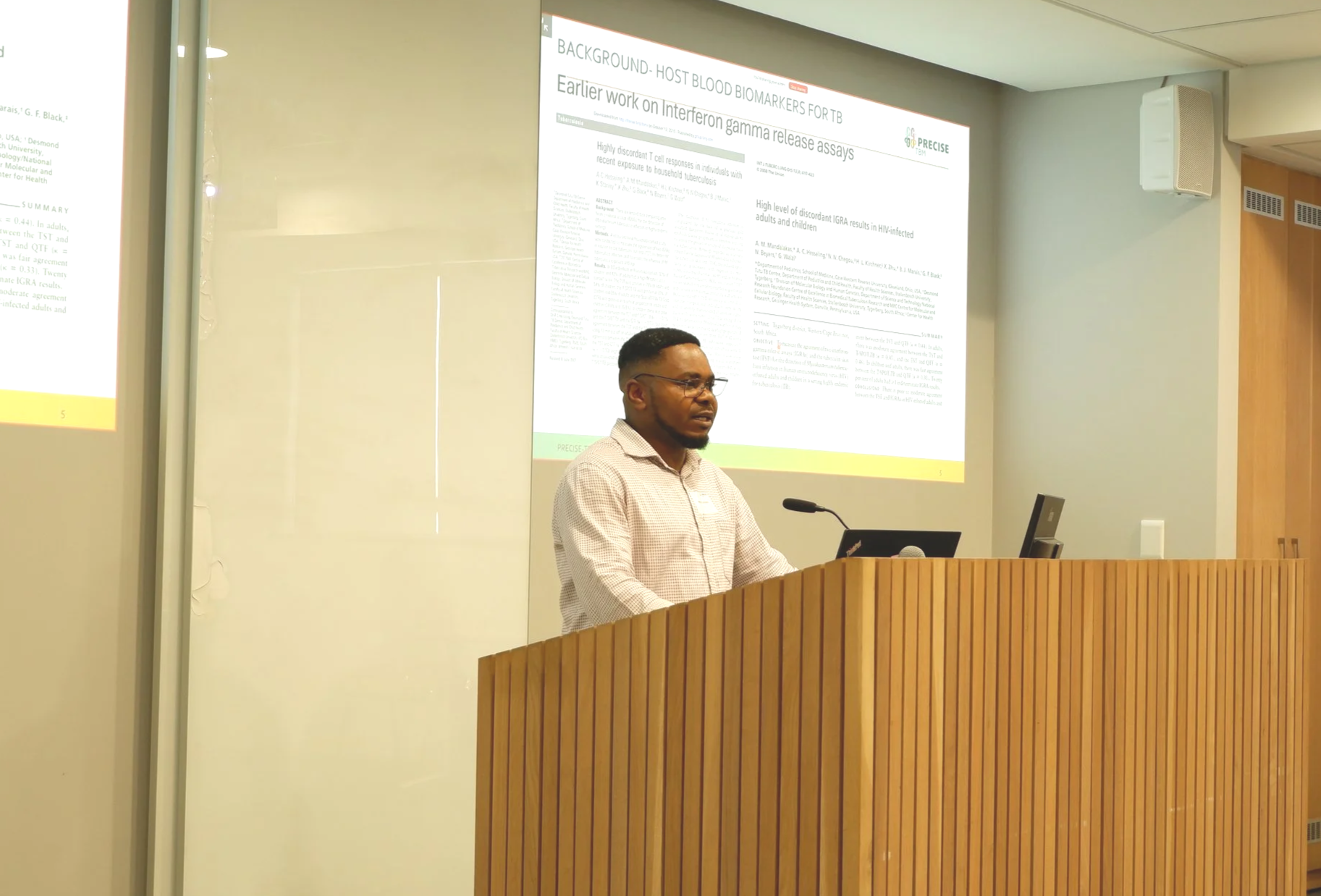
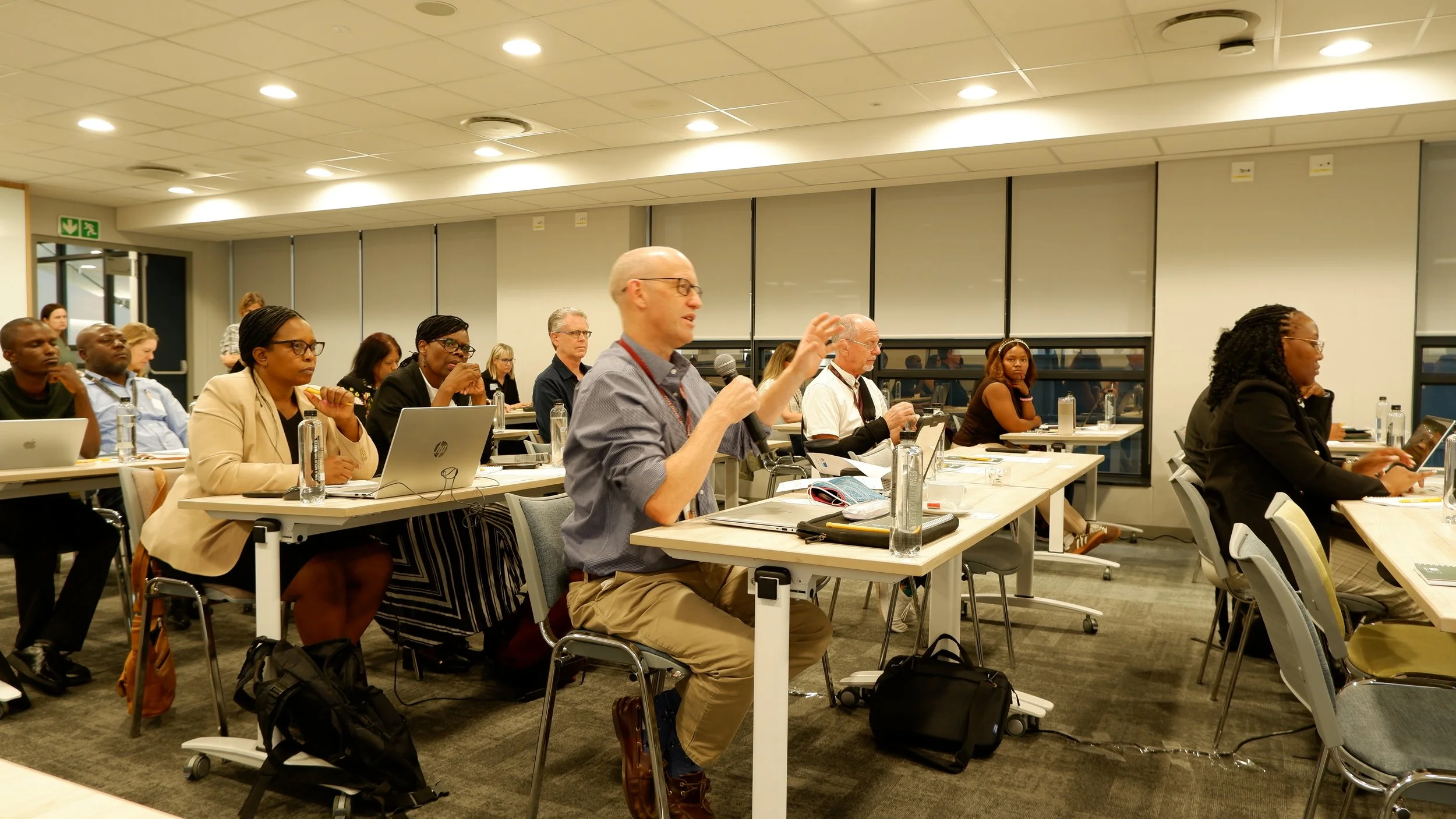
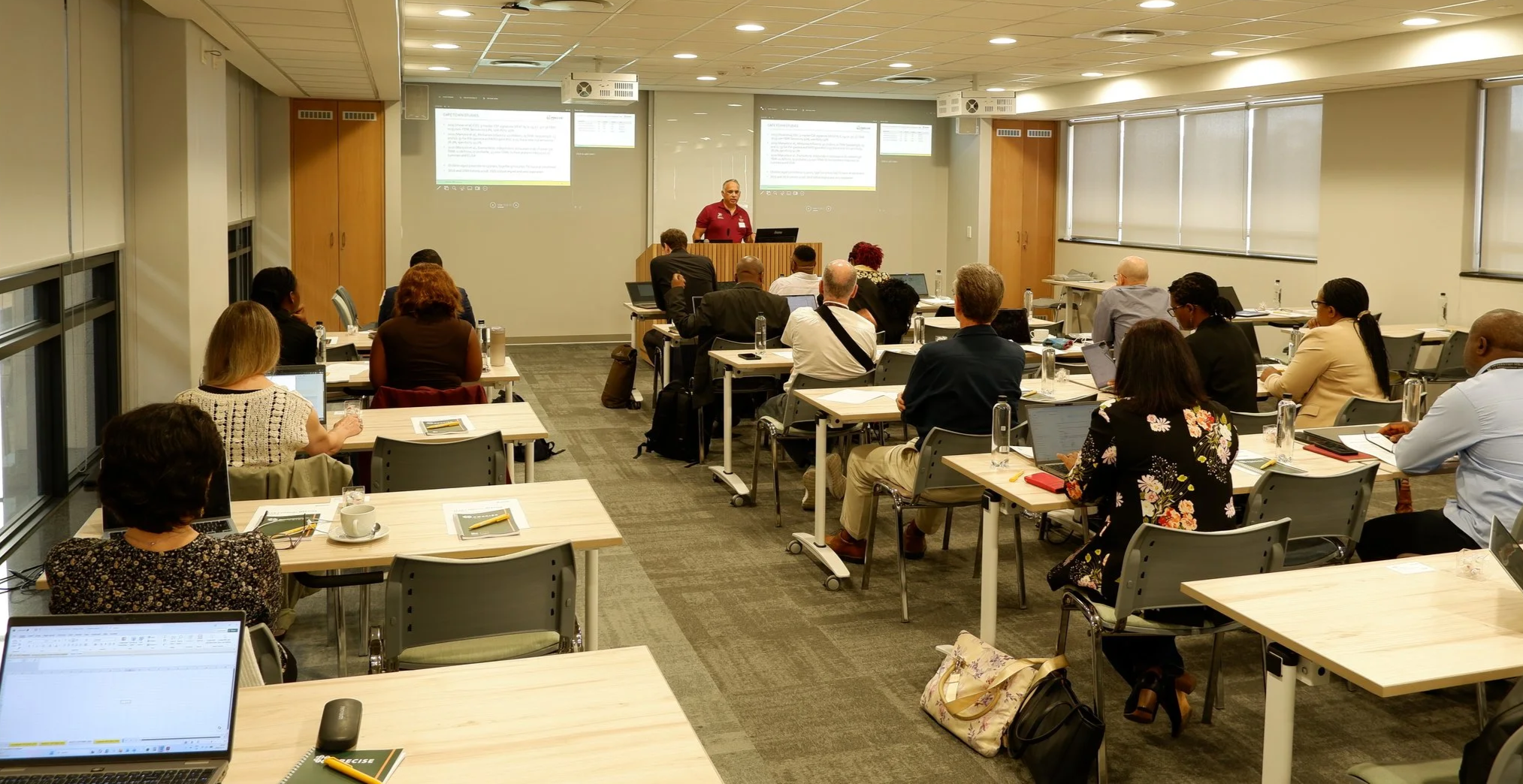
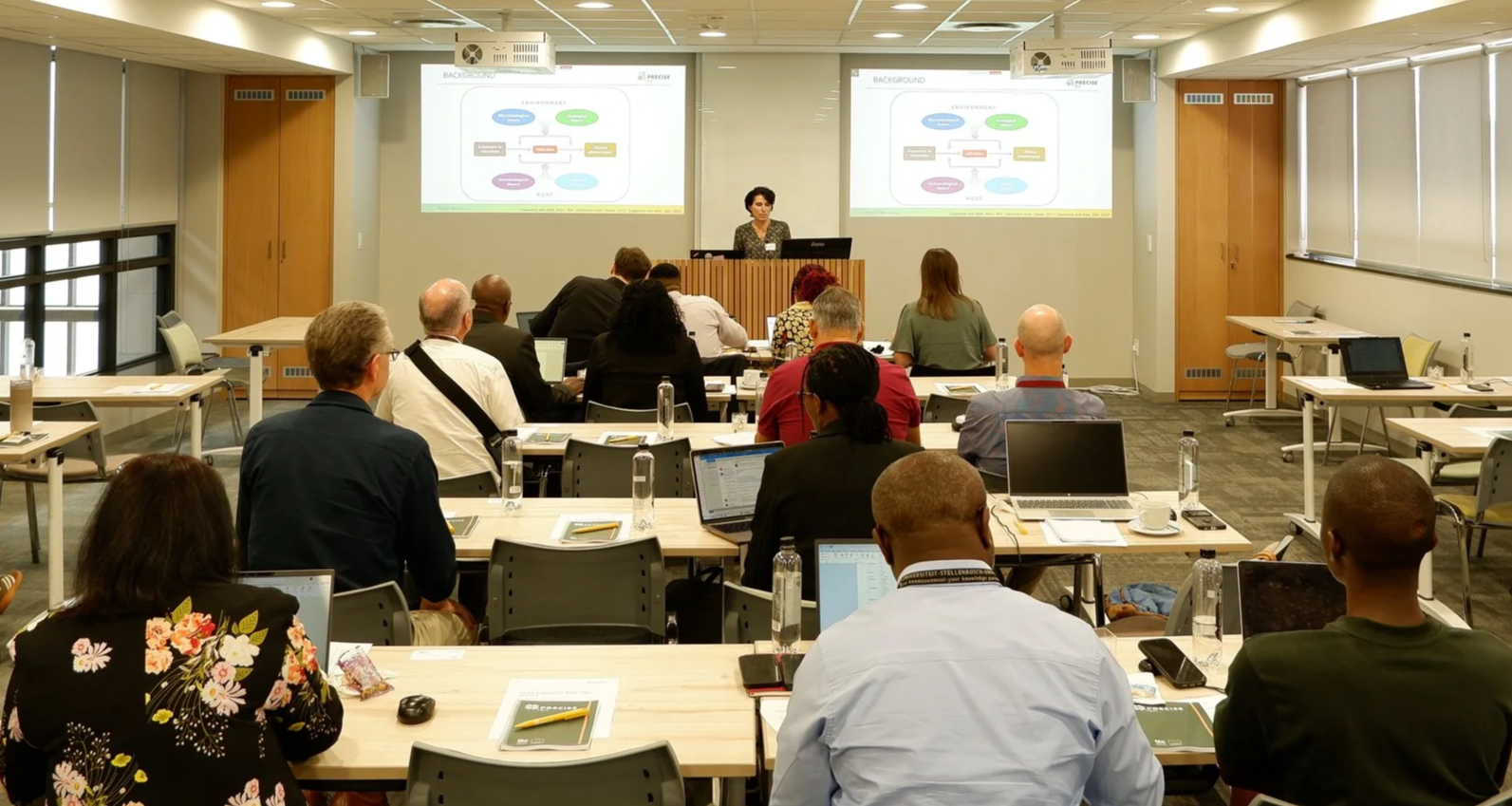
Representing LifeSADX, the consortium’s commercial partner, CEO Louis Roux and co-investigator Takunda Gwanzura continued by sharing updates on the development of the point-of-care tests and their accompanying smartphone app. LifeSADX is refining the two CSF point-of-care prototype tests that grew out of earlier research, while findings from Chegou’s team will guide the company’s design of the new blood test.
Other sessions looked at how genetic and immune factors may influence childhood TBM and their implications for the diagnostic tests as well as at training opportunities for students, postdoctoral fellows and staff across the consortium. The day then concluded with presentations on the project’s social science research, ethics requirements, and information on regulatory pathways.
From the laboratory to the clinic
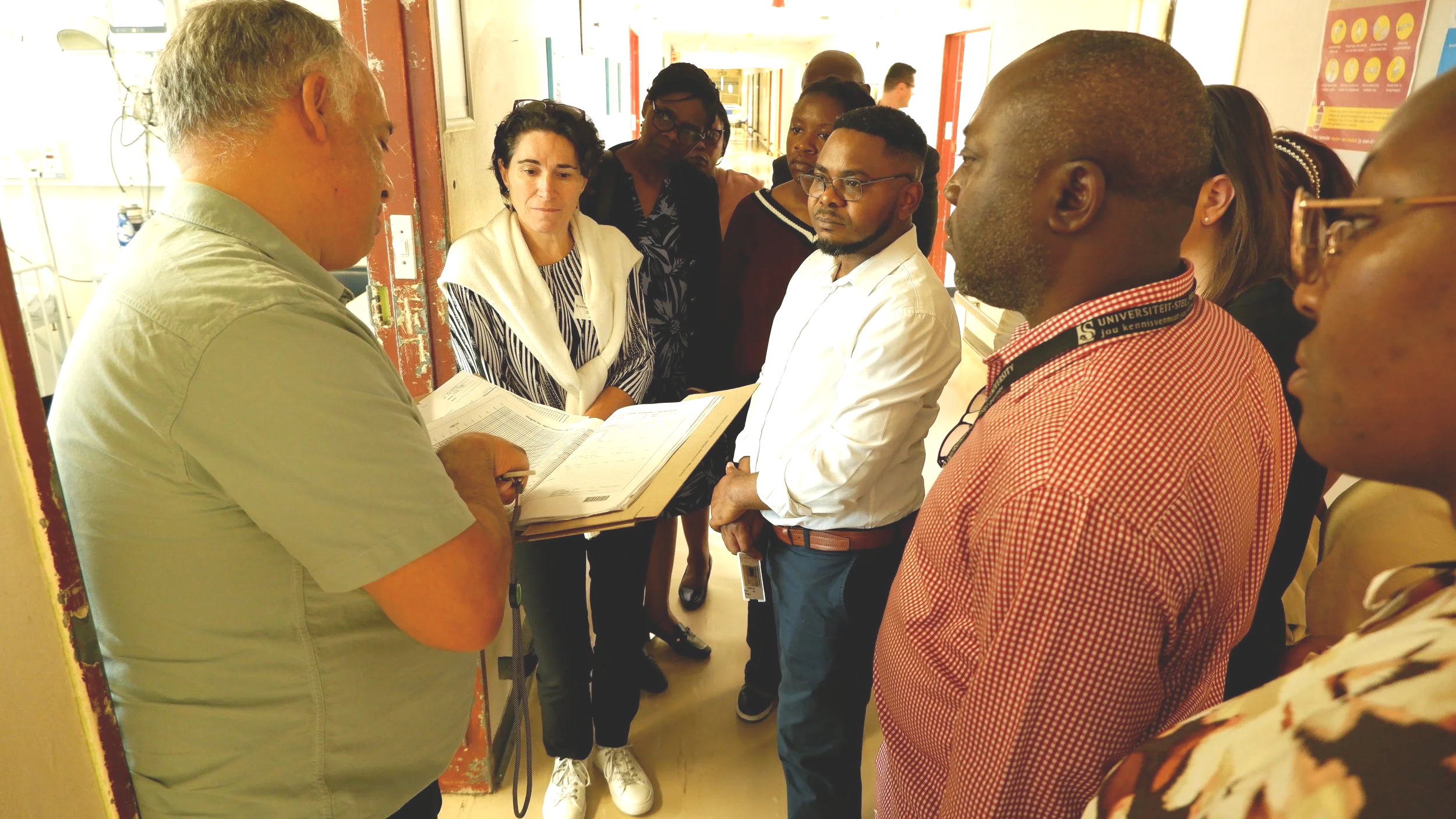
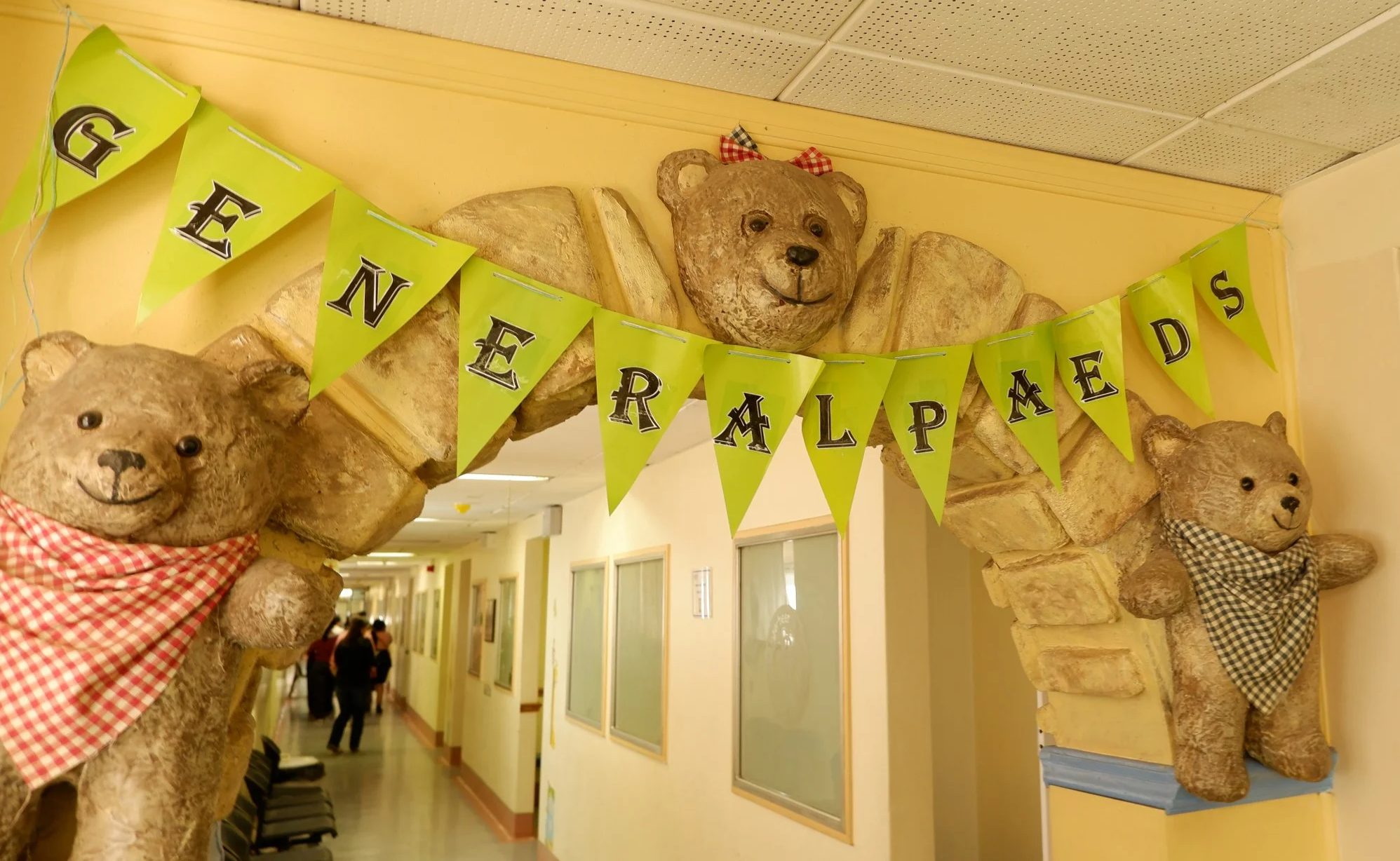
On the second day, Solomons led partners on an official visit to the paediatric ward at Cape Town’s Tygerberg Hospital, where children with TBM receive care. The hospital will be one of the sites where clinical teams evaluate the two CSF prototype tests in children with suspected TBM. Seeing the ward first-hand offered a powerful complement to the previous day’s scientific discussions, reminding partners why their work matters and what earlier diagnosis could mean for children and their families.
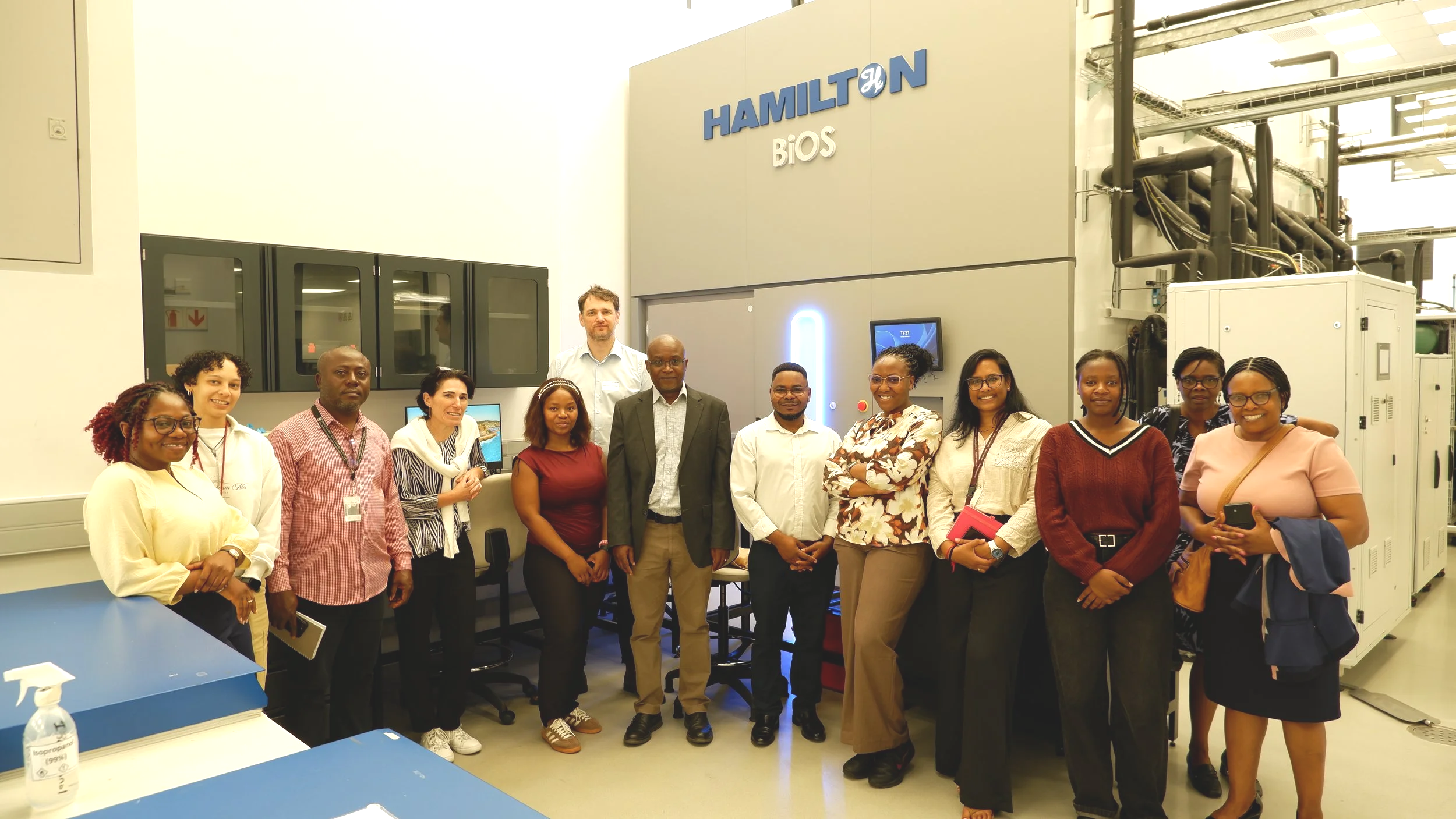
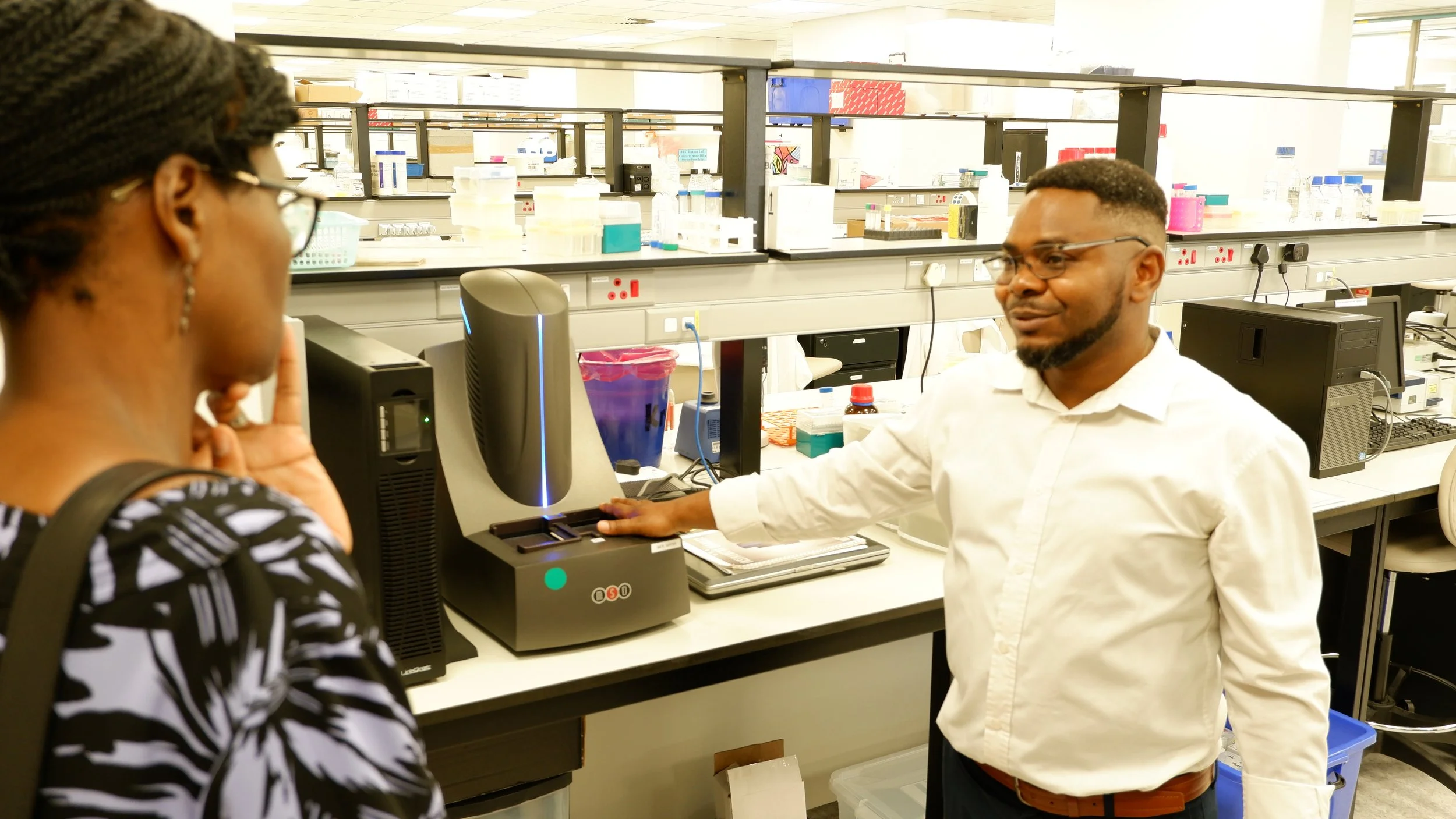
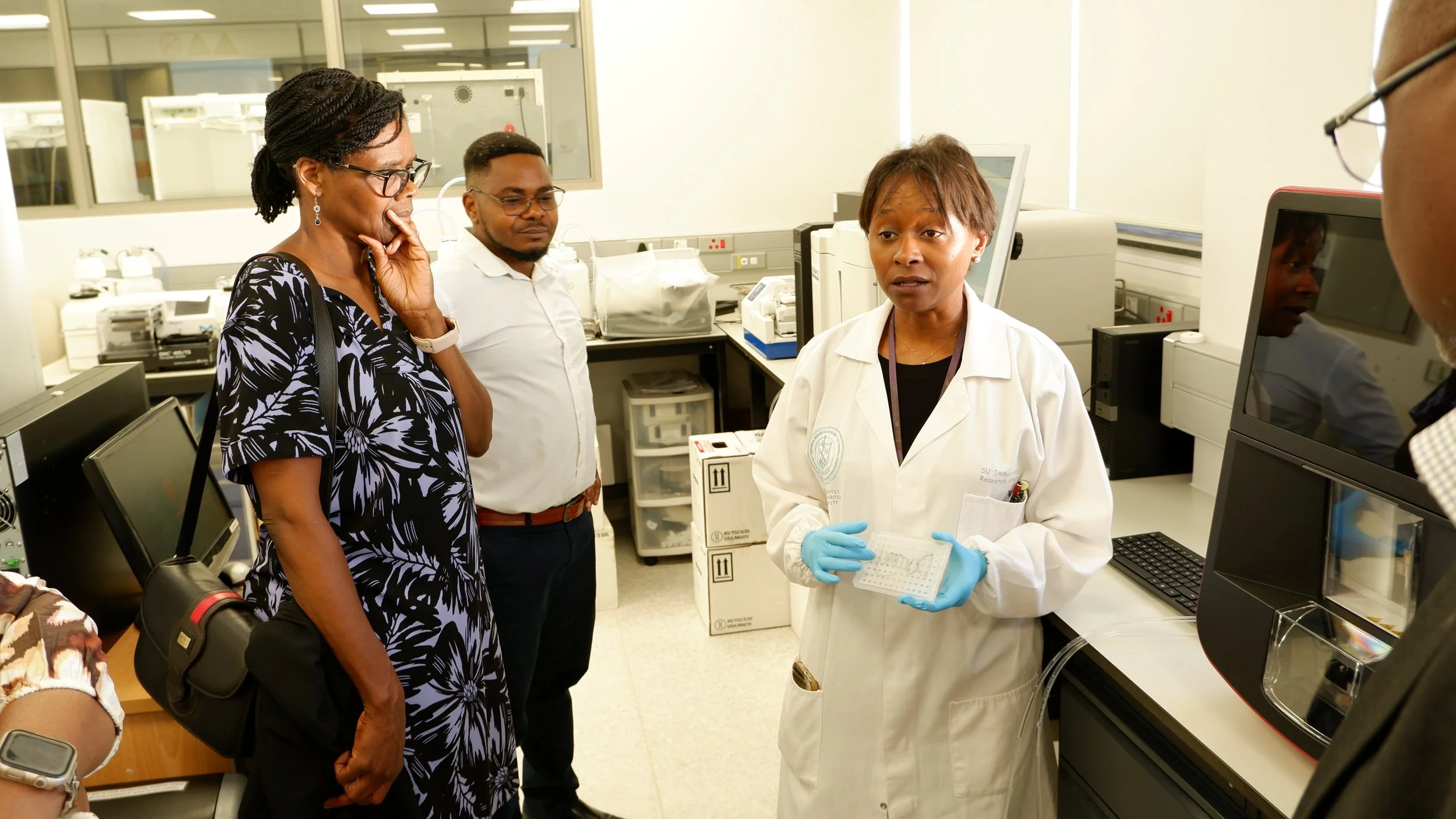
Chegou then led a tour of the BMRI laboratories, giving visiting partners a closer look at the facilities where the South African team carries out its research. The clinical teams in South Africa, Zambia and Zimbabwe will now continue preparing to evaluate the CSF tests, while work on the complementary blood test progresses.